GAME DESIGN · ENCOUNTERS, MAPS & ITERATION
Shatterfall
A cooperative sci-fi survival game built on tile-based maps, made with a team of four. I designed the difficulty-scaling system, balanced items, and paced encounters — and helped drive the design through two full playtest-and-iterate cycles.
Overview
Shatterfall is a cooperative, time-pressured survival game played across a randomised, tile-based map. Players manage limited turns, scavenge and combine items, and pick classes with distinct strengths — and the map itself gets more hostile as the clock runs down.
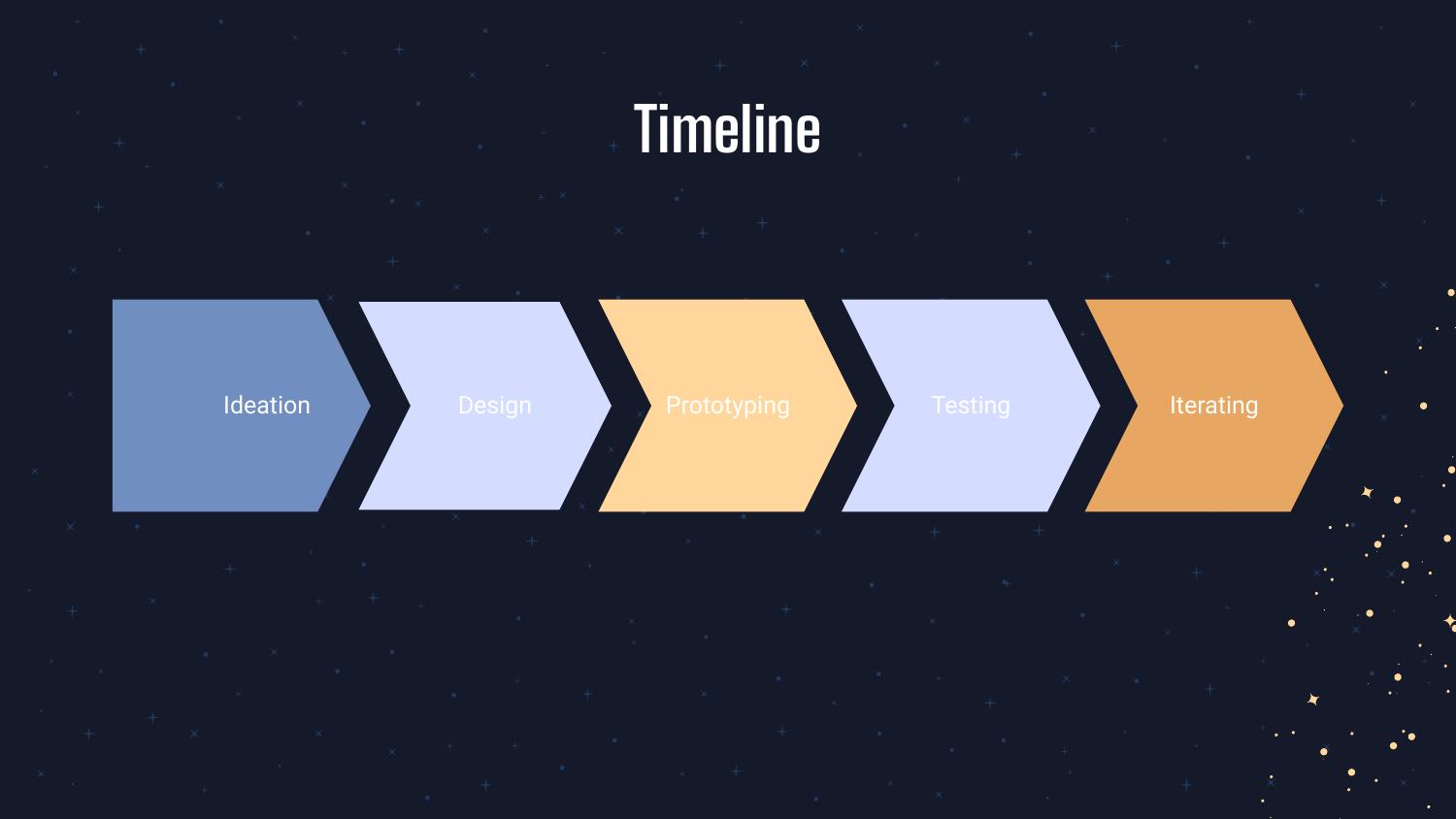
We built it the fast, honest way: a game design document, a paper prototype, and repeated playtests that we used to tear the design down and rebuild it. My focus was the part of the experience a level designer owns — how difficulty escalates across the map, how items are balanced, and how encounters are paced.
Shatterfall was our project for the University of Portsmouth's Prototyping & Iterating Games Design module — and it earned the highest grade the module had ever awarded.
Design pillars
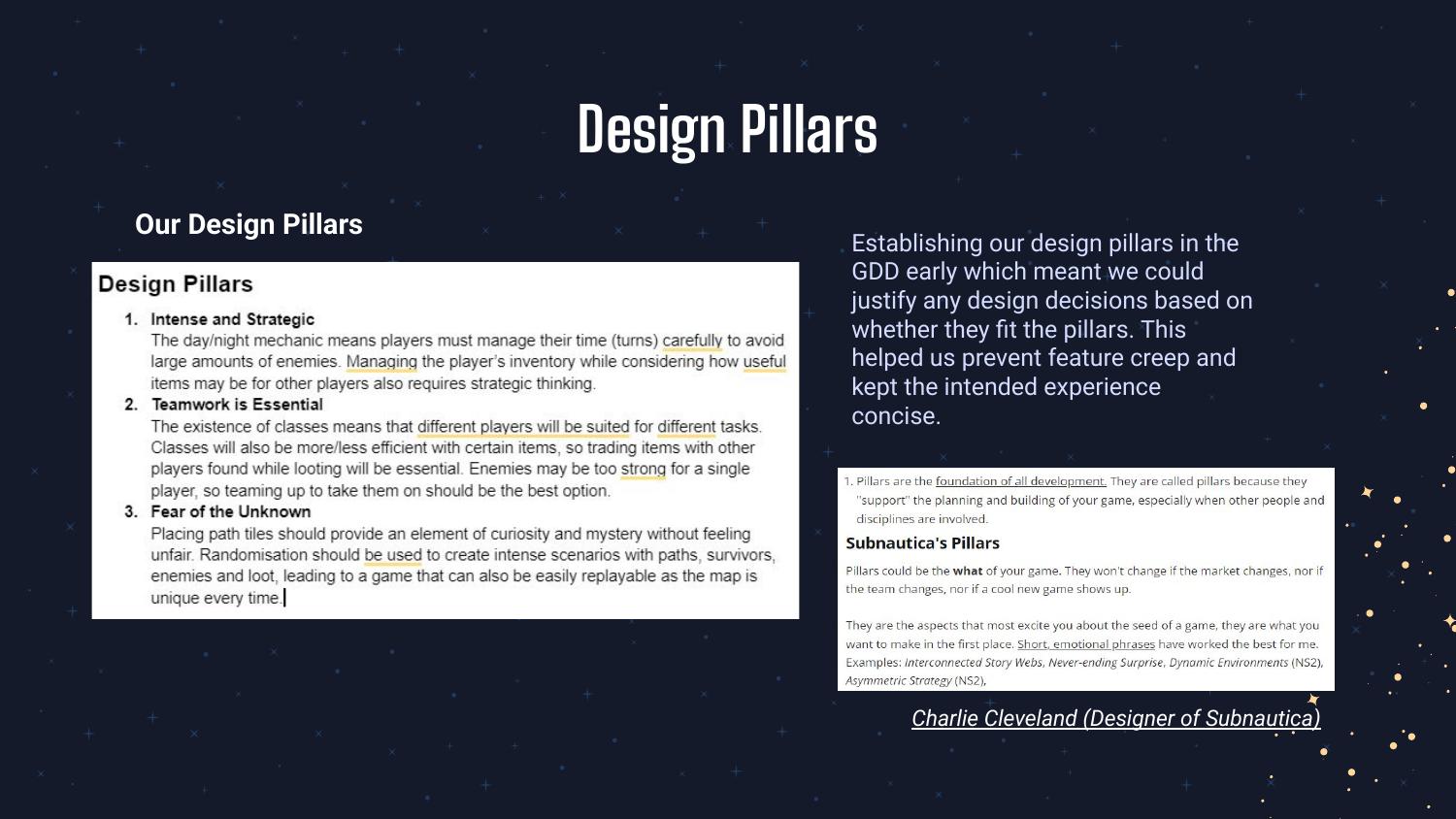
We set our pillars early in the GDD so every later decision could be judged against them — applying design-pillar feedback our team gathered from Subnautica's Charlie Cleveland to prevent feature creep and keep the experience focused.
Difficulty, items & encounter design
The map is the game. I designed the difficulty-scaling system that lives in the progressive tiled map, tuning the space and the threat together:
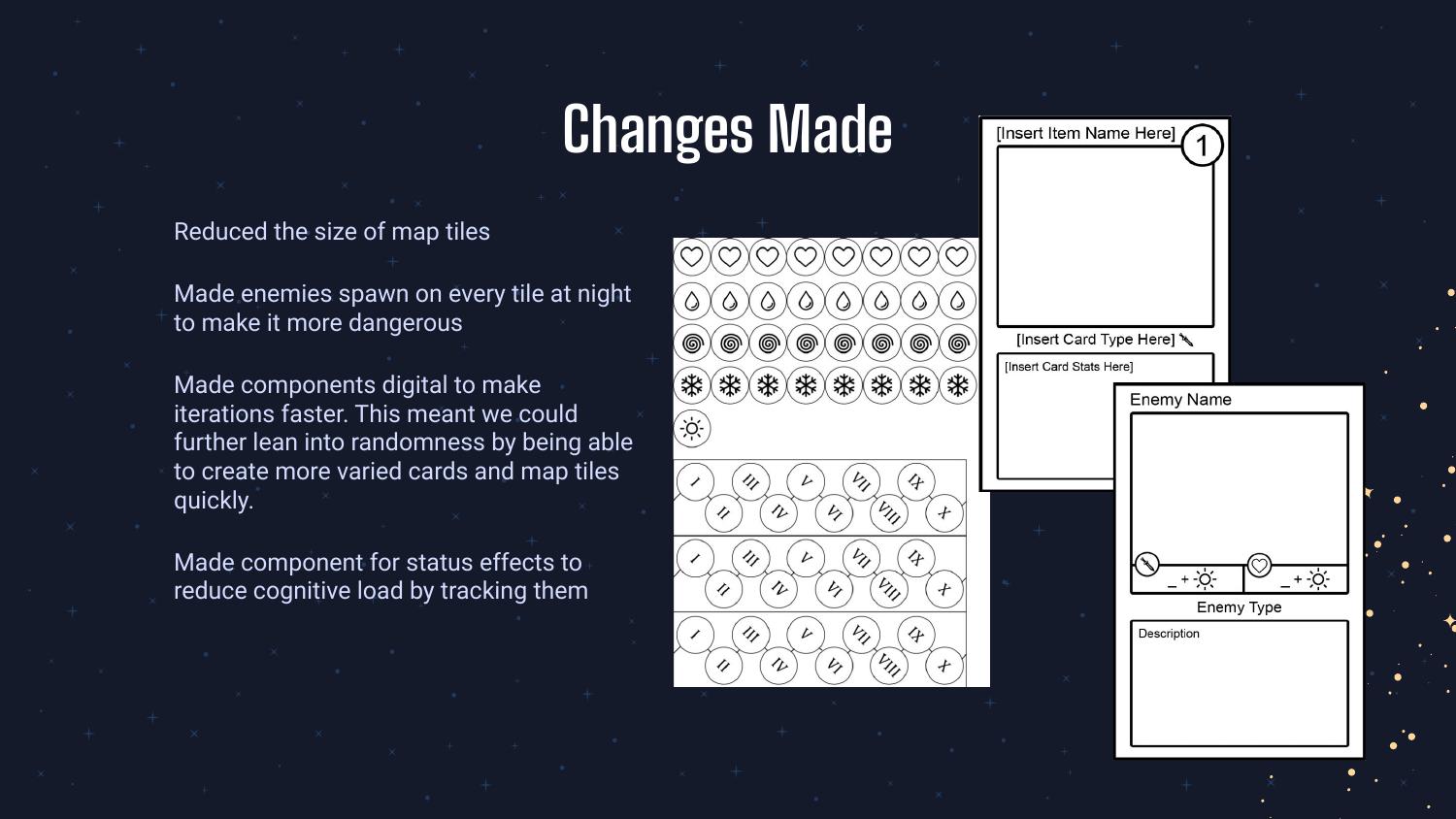
- Reduced the map-tile size to tighten the play space and force players into contact rather than letting them sprawl.
- Made enemies spawn on every tile at night, so the map turns hostile as time runs out — escalating danger through the space itself, not just numbers on a card.
- Added a status-effect component to cut cognitive load, so players track threats at a glance and keep moving.
- Moved components digital-first so we could generate more varied cards and map tiles quickly and iterate between playtests.
Pacing & player motivation
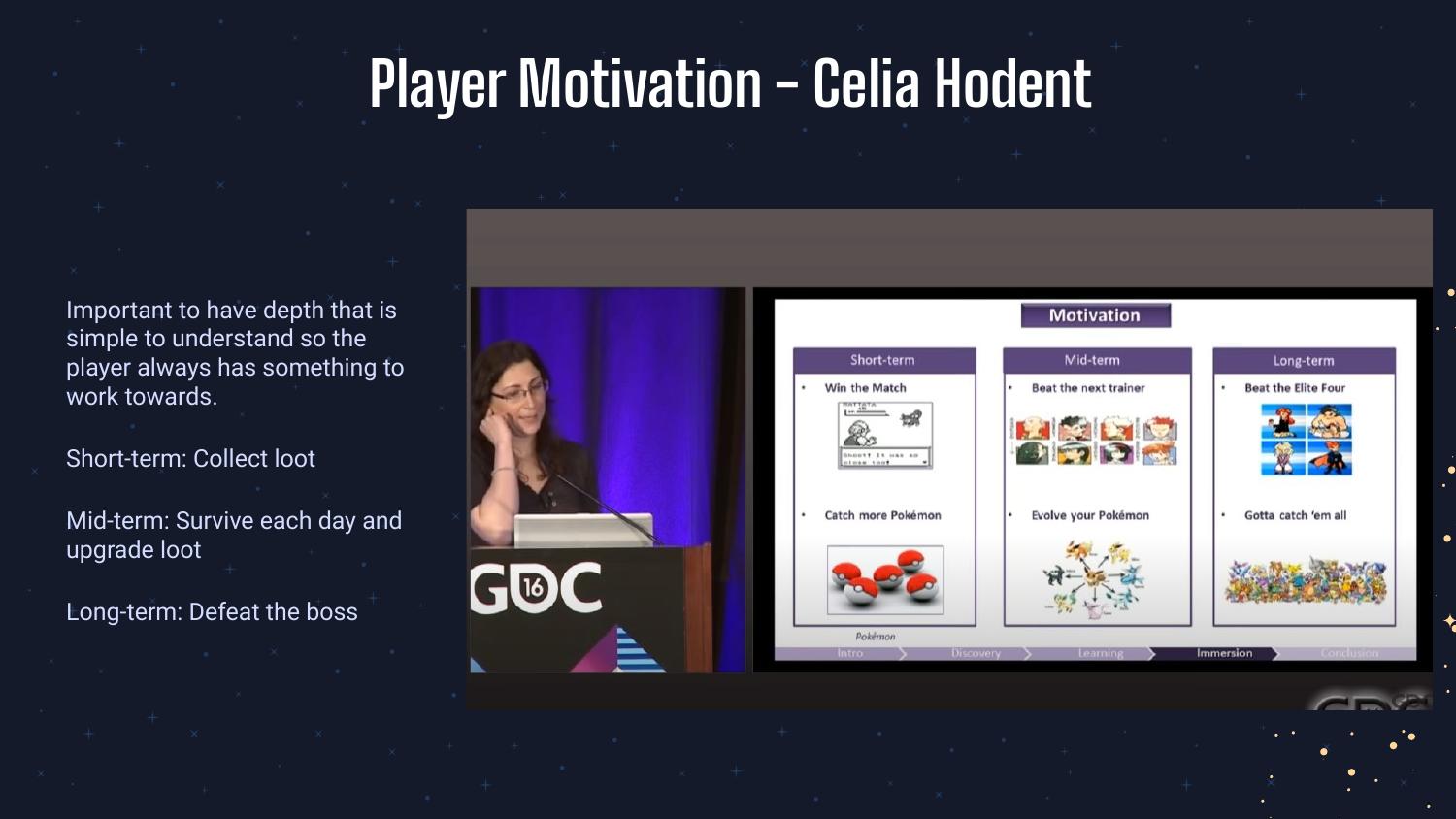
I designed the reward loop around short-, mid-, and long-term goals (after Celia Hodent's GDC work) so the player always has something immediate to chase and something larger to fear — collect loot now, survive the day, defeat the threat.
Iteration & playtesting
This is the part I'd point a level-design lead to. We ran two external playtest cycles, took the feedback seriously, and were willing to restart with a new perspective each time rather than defend what we'd built.
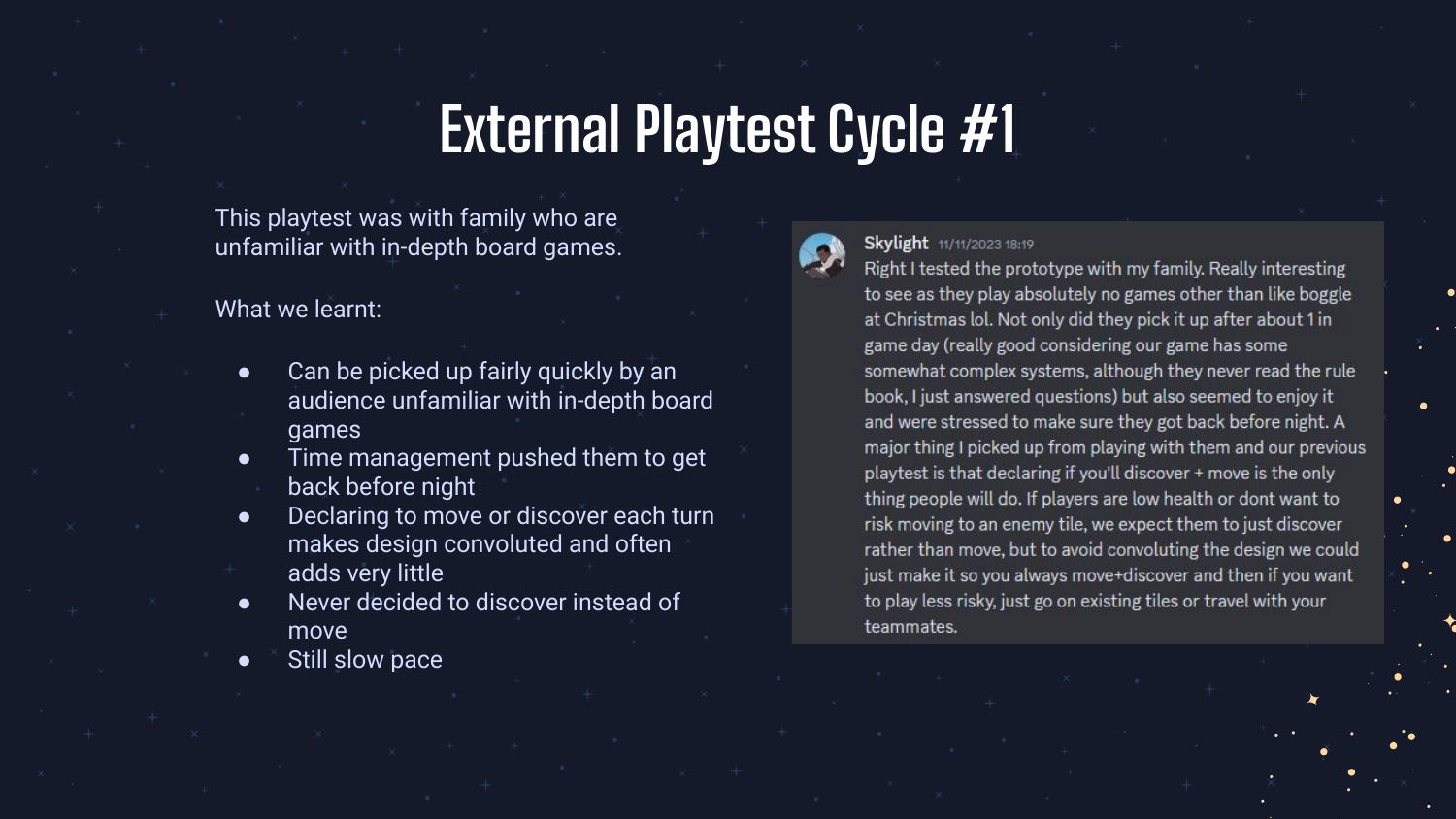
- Cycle 1 showed the move/discover mechanic was convoluted and the pace was slow — players got stressed about losing progress. We cut and simplified.
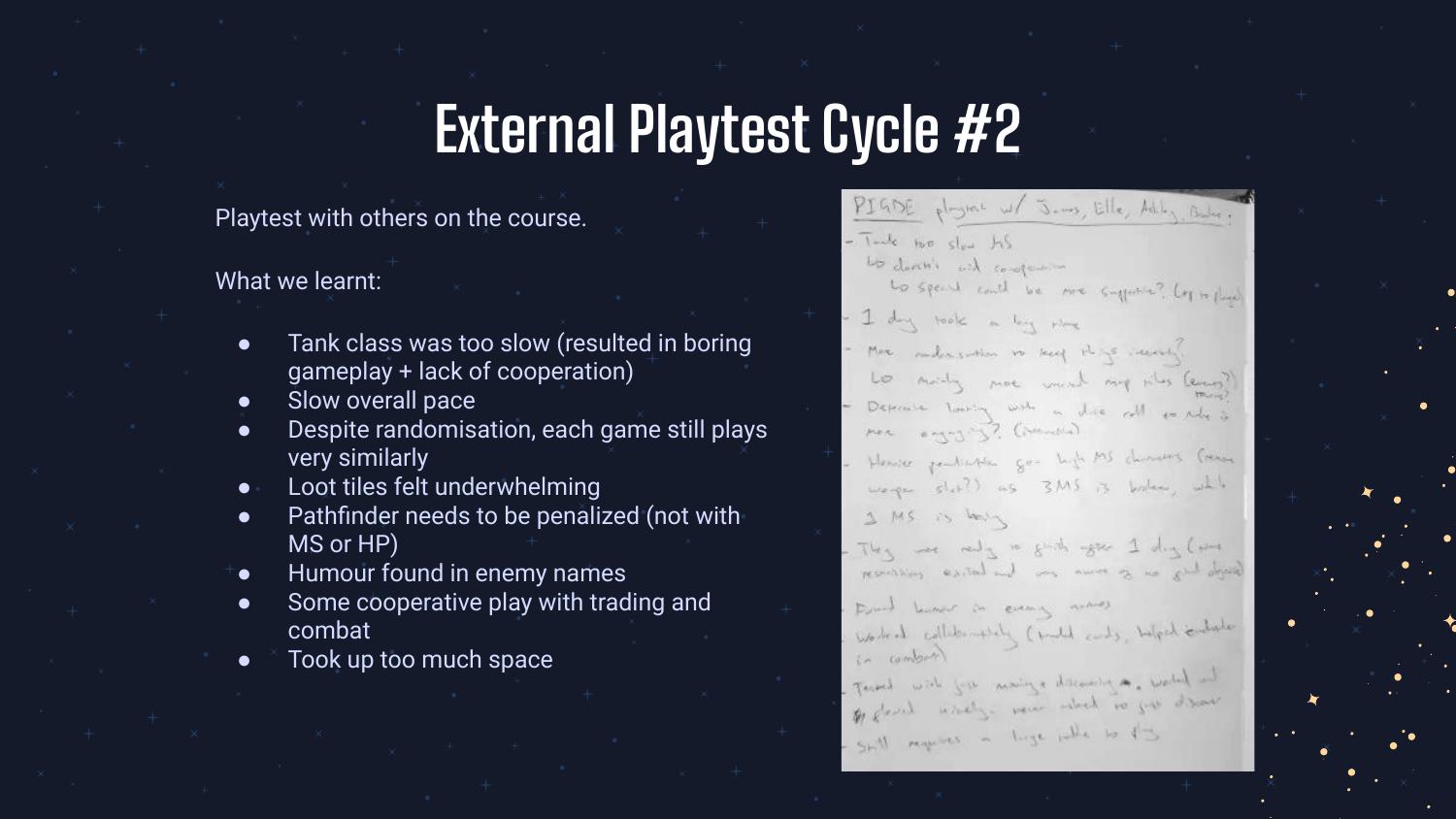
- Cycle 2 exposed a too-slow tank class, underwhelming loot tiles, and maps that played too similarly despite randomisation — so we retuned classes, loot, and tile variety.
Why it maps to level design
Shatterfall is on a tabletop, but the work is the work a level designer does in an engine: laying out a space, pacing encounters, escalating difficulty, and rebuilding it all from playtest feedback. The reference points — D&D, Subnautica, layered survival loops — are the same vocabulary I'd bring to a narrative-driven RPG.